 AWN
Strong demand, low inventories, and growing competition for available wool were among the key messages from the Nanjing Wool Market Conference, held 18-20 September 2026.
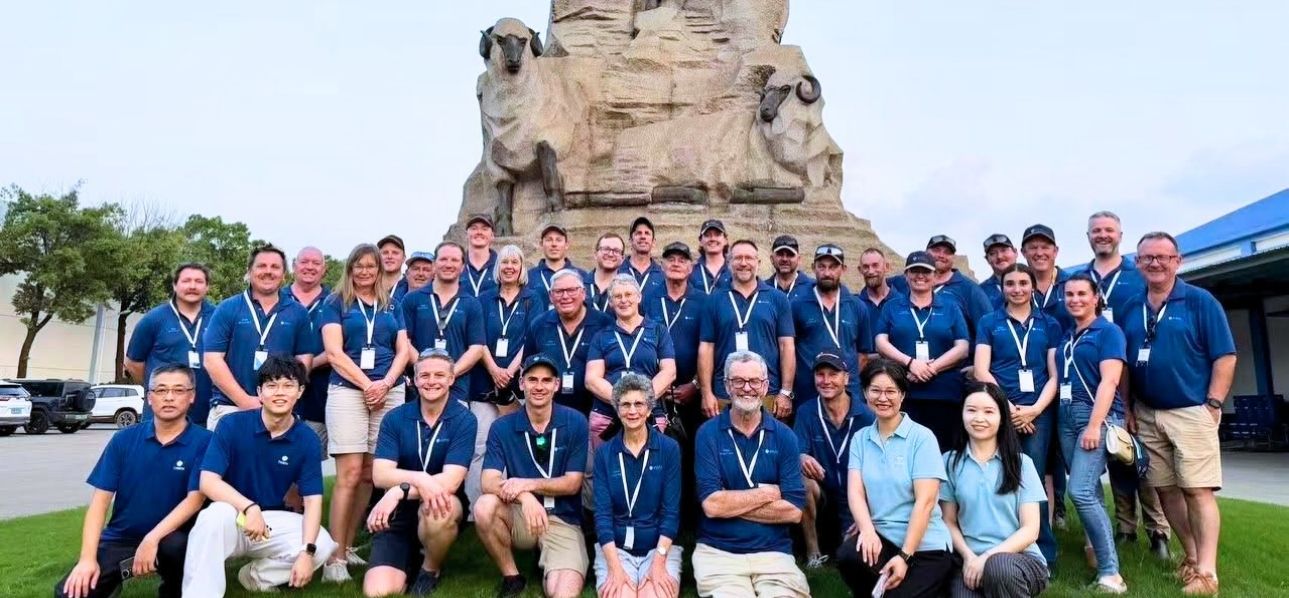
AWN senior leadership and wool representatives from across Australia attended the conference, including Rick Maybury (MD & CEO), Brett Cooper (State Manager – NSW/QLD), Greg Tilbrook (State Manager – WA), Kelvin Shelley (State Manager – VIC), Tony Bradfield (Regional Manager – Hobart), Jared Phillips (Wool & Sheep Specialist – SA), and Jacob Davies (Wool Specialist – VIC).
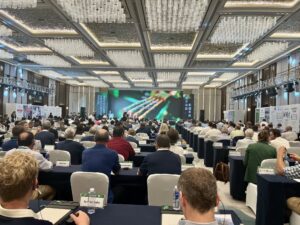
The conference brought together wool processors, manufacturers, exporters, brands, and industry organisations from around the world to discuss market conditions, sustainability, technology, and the future outlook for wool.
One of the clearest messages was that demand conditions have improved significantly compared with 18 months ago.
“What stood out was the confidence being shown by processors and brands despite broader economic uncertainty,” said Greg Tilbrook, State Manager WA.
“Demand conditions have improved, inventories remain low, and supply continues to be one of the biggest challenges facing the global wool industry.”

Demand continues to strengthen
China remains the centre of global wool processing, and delegates heard that inventory levels throughout the supply chain remain low while processing utilisation rates are strong. Presenters also pointed to growing consumer interest in natural fibres, increasing use of wool in corporate uniforms and technical apparel, and rising demand for plastic-free clothing options.
Woolmark reported that online searches for wool have more than doubled since 2025, highlighting growing consumer awareness and interest in wool’s natural benefits.
The conference also showcased the significant investment being made by Chinese processors in technology, automation, and artificial intelligence to improve efficiency, reduce waste, and strengthen manufacturing capability.
Supply remains the major challenge
While improving demand was encouraging, discussions repeatedly returned to another issue: supply.
Global wool production continues to decline, Australian sheep numbers remain historically low, and wool stocks throughout the supply chain remain tight. Strong sheep meat prices, competition from cropping, labour shortages, and rising shearing costs were all highlighted as factors limiting wool production growth.
Traceability and certification gain importance
Delegates also heard that demand for certified and traceable wool continues to increase, particularly from Chinese processors and global brands. Certified wool remains in short supply and is attracting premiums, while environmental footprint reporting, carbon accountability, and traceability are becoming increasingly important requirements across global supply chains.
For Australian growers, the conference reinforced the importance of sustainability credentials and tools such as eBale, which help provide transparency and traceability from farm to customer.
Fine wool was also highlighted as being well positioned under current market conditions, supported by strong demand and tightening global supply.
Positive long-term outlook
The overall mood in Nanjing was cautiously optimistic. While economic and geopolitical challenges remain, industry leaders consistently pointed to improving demand, growing consumer interest in wool, and confidence in the fibre’s long-term future.
The insights shared throughout the conference suggest that wool’s natural, renewable, and plastic-free credentials continue to resonate with consumers and brands, providing opportunities for Australian growers who can meet evolving market requirements.
For advice on wool marketing, traceability, certification, and current market conditions, contact your AWN representative, or find your local AWN wool specialist at awn.net/contact.